The best foods for carb loading before a marathon are low-fat, low-fibre, easy-to-digest starches: white or semi-wholegrain rice, al dente pasta, steamed potatoes, sweet potatoes, ripe bananas, fruit compote and plain bread with jam or honey. Eat them over the final 2-3 days at roughly 7-10 g of carbs per kg of body weight daily1, and keep fat and protein modest so carbs fill the plate.
Key takeaways
- Carb loading mainly matters for races longer than 90 minutes, such as a half or full marathon2.
- The Running Week suggests 7-10 g of carbohydrate per kg of body weight a day, so a 70 kg runner needs about 490-700 g daily1.
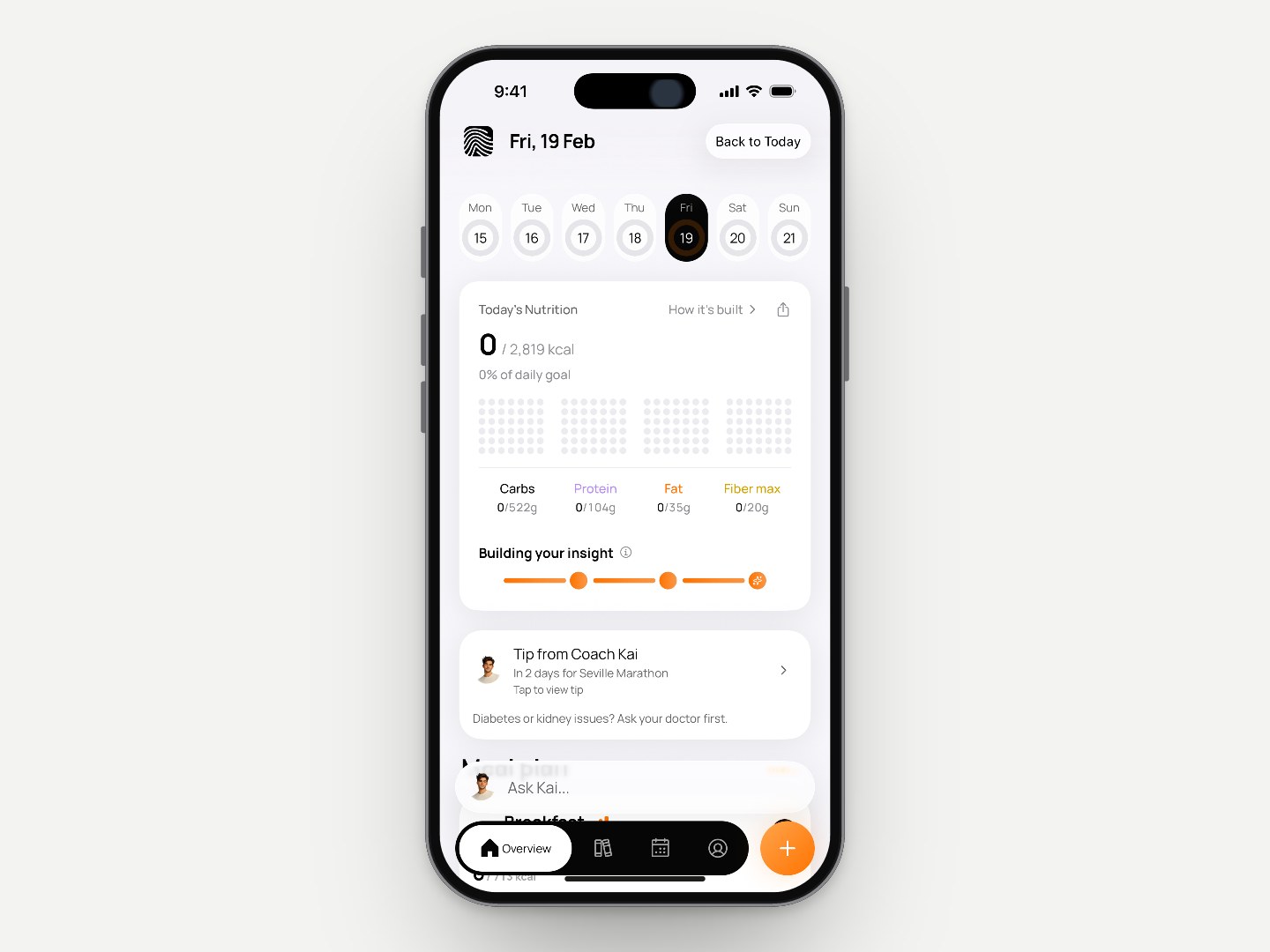
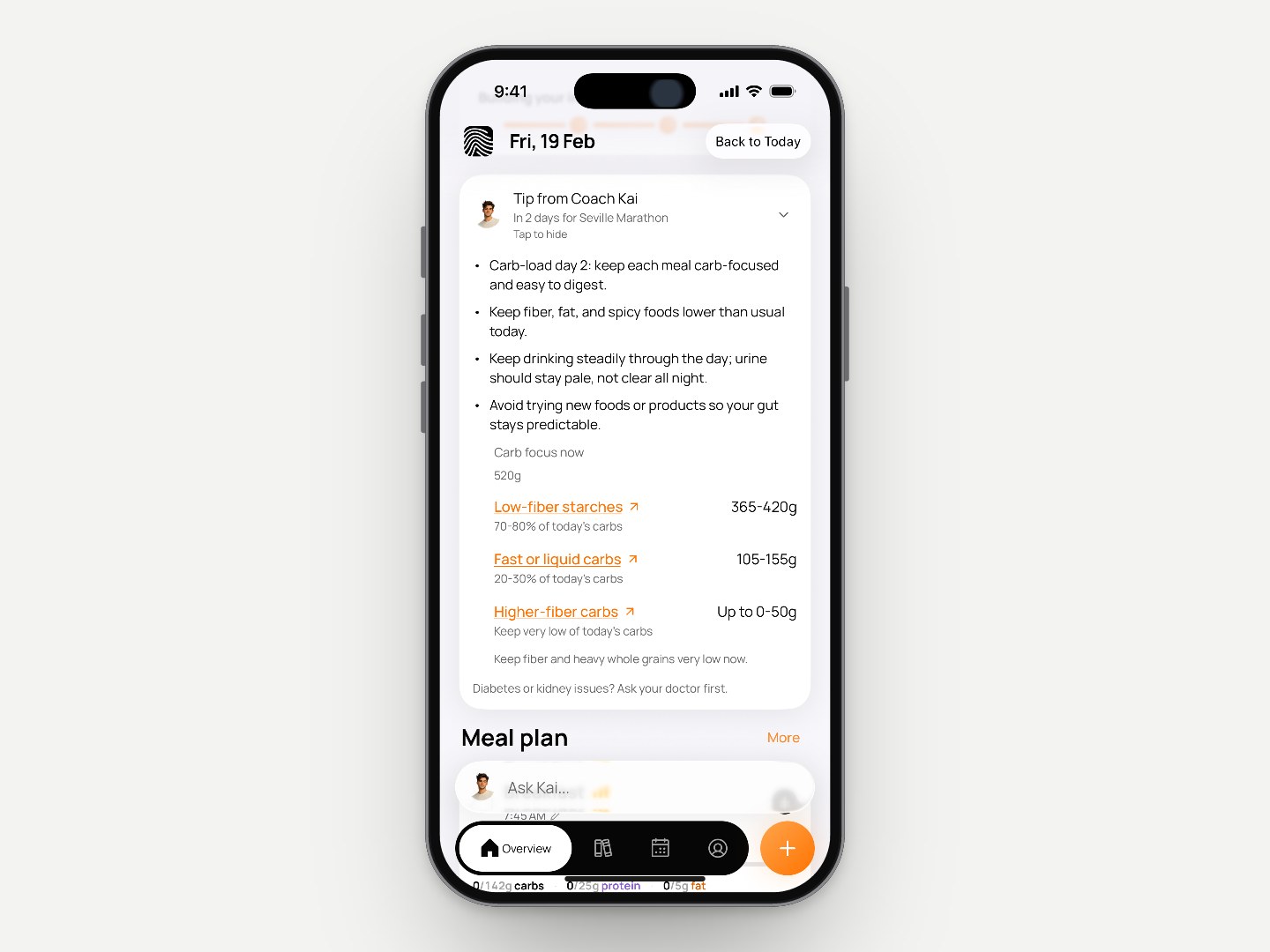
- RunMotion advises cutting fibre in the last days and eating nothing new the day before the race3.
- Race-morning breakfast should be eaten about 3 hours before the start and centre on easy carbs3.
- Practise your loading foods in training so your gut tolerates them before race day4.
Best low-fat foods for carb loading
The strongest low-fat choices are starchy foods that are cooked, plain and low in fibre. RunMotion's marathon-week plan builds the final days around al dente pasta, basmati or semi-wholegrain rice, steamed and sweet potatoes, ripe bananas and fruit compotes, with a little honey or maple syrup3. Lean protein such as fish, white meat or eggs stays on the plate in small amounts, and cooked vegetables replace raw ones.
| Food group | Good choices | Why it works |
|---|---|---|
| Rice and grains | Basmati rice, semi-wholegrain rice, buckwheat, quinoa, fine semolina couscous | Dense starch, mild on the stomach3 |
| Pasta and bread | Al dente pasta, white sandwich bread, pancakes, bagels | Easy carbs with little fibre35 |
| Potatoes | Steamed potatoes, sweet potatoes | Low-to-moderate glycaemic index carbs3 |
| Fruit | Ripe banana, pear or apple compote, applesauce | Sugar without raw-fruit bulk3 |
| Toppers | Honey, jam, maple syrup | Concentrated carbs without adding fat2 |
The sample dinners in RunMotion's plan show the pattern: basmati rice with ham or chicken, carrot soup and applesauce the night before the race3. Memorial Hermann's sports medicine team also lists wholegrain cereal such as oatmeal, low-fat milk and yogurt, and fresh fruit as quality carbs that reach the bloodstream slowly4.
What to cut back on
Fat and fibre take up room and slow digestion. The Running Week recommends cutting back on protein and fat during loading because they digest more slowly and are less useful for immediate energy1. RunMotion tells runners to avoid raw vegetables, legumes, strong spices, puffed cereals, rice cakes and industrial sweets in the last three days3. Fleet Feet Columbus adds that too many high-fibre carbs can cause intestinal distress and bloating2.
Pasta or rice: which is better for carb loading?
Neither wins on carbohydrate alone, so pick the one your stomach handles best. Both are listed as standard loading foods: RunMotion's plan uses pasta and rice on alternating days3, and Runner's Tribe lists rice, oatmeal, quinoa, pasta, potatoes, bread and pancakes among easy carbohydrate options5. An OSB Multisport sample meal pairs 3 ounces of salmon with 1 cup of brown rice, a baked sweet potato and a salad6.
The practical difference is fibre and volume. White rice and al dente pasta are gentle; large plates of wholegrain pasta can be bulky. Runner's Tribe suggests skipping the heavy pasta dinner and instead eating your main pre-race meal at lunch, with a lighter carb-rich dinner and a carb snack before bed5.
Is it okay to eat 700 g of carbs a day?
For a heavier runner, 700 g can be a normal loading figure, but it comes from your body weight, not a fixed target. The Running Week gives 7-10 g per kg daily and calculates 490-700 g for a 70 kg runner, so 700 g sits at the top of that range1. Fleet Feet Columbus's Dr. Steven Devor puts it at 6-9 g per kg2, and Runner's Tribe suggests 4.5-5.5 g per pound of body weight (roughly 10-12 g per kg)5.
| Body weight | 6-9 g/kg (Fleet Feet) | 7-10 g/kg (The Running Week) |
|---|---|---|
| 55 kg (121 lb) | 330-495 g | 385-550 g |
| 70 kg (154 lb) | 420-630 g | 490-700 g |
| 85 kg (187 lb) | 510-765 g | 595-850 g |
If you feel bloated or overly full, ease off slightly1. Expect the scale to rise: Devor notes loading can add up to 3 pounds (about 1.4 kg) from extra glycogen and water, which will not slow your race2. Build up gradually over 2-3 days so stores fill without digestive discomfort1.
Healthy sources of carbohydrates
Quality carbs are those that reach your bloodstream slowly and give sustained energy. Memorial Hermann names wholegrain cereal like oatmeal, wholegrain breads, low-fat dairy, and fresh fruit and vegetables, and advises training with them to build gut tolerance4. The Running Week recommends complex carbs such as whole-grain pasta, rice, quinoa, sweet potatoes and fruit, and warns that sugary snacks can cause crashes1.
There is a trade-off. Wholegrain choices suit the days before the final carb load; as race day nears, lower fibre matters more. RunMotion keeps meals simple from Day -3 and avoids whole-grain bread at breakfast on race morning3. After a hard session, switch to faster carbs: Memorial Hermann recommends a sports drink or juice with a carb-and-protein bar within the first 30 minutes4.
When you plan quantities, Mavr turns your training plan and target race date into daily fueling, with meal timing synced to your training. You can log meals by barcode scan and watch live energy tracking, so you see whether your loading days are actually hitting the macros you set.
What to eat before running: breakfast and the final hours
On race morning, eat 3 hours before the start, for example 6:00 a.m. for a 9:00 a.m. race3. Runner's Tribe says to wake three to four hours before and eat mostly carbs with moderate protein and fat, aiming for 1-4 g of carbohydrate per kg, with smaller meals the closer you get to the gun5.
Effective breakfast options from RunMotion include white bread, sports cake or homemade pancakes with jam or honey, a ripe banana or fruit compote, and tea or mild coffee3. Avoid fruit juice (acidic), raw fruit, dairy, wholegrain bread, dried fruit and nuts3. Sip about 0.3-0.5 L of fluid per hour rather than overloading on water, and if you like, take 2-3 sips of fruit compote 15 minutes before the start3.
Carbs continue during the race: The Running Week suggests 30-60 g per hour from gels or sports drinks1. For a deeper look at products and pacing, see the Maurten race-day plan, or read how Tailwind works as a drink mix.
Common loading mistakes to avoid
The most common failures are not tapering, under-eating carbs and eating too much fibre2. Devor notes that many athletes who try to load fall short of their goal, and that resting is part of the process because hard training compromises glycogen storage2.
Also avoid overeating. Runner's Tribe says to keep portions consistent and not add extra calories5. RunMotion's rule for the day before is one plate with a bigger carb portion and fewer vegetables, no new foods and no heavy, fatty meals3. Skip loading for short races: for 5K and 10K events, a balanced meal is enough1, and loading is most beneficial for efforts over 90 minutes2. Finally, do not overhaul your diet right before the race. A low-carb or fat-adapted approach exists, but LMNT notes a body needs time to adapt and warns against major dietary shifts just weeks out7.
FAQ
What are the best low-fat foods to maximize carb loading before a marathon?
Choose cooked, low-fibre starches: white or semi-wholegrain rice, al dente pasta, steamed potatoes and sweet potatoes, ripe bananas, fruit compote and plain bread with jam or honey3. Keep fat and protein modest so carbohydrates make up most of each meal1.
Is pasta or rice better for carb loading?
Both work, and the better choice is the one you digest comfortably. RunMotion alternates rice and pasta through the week3, and Runner's Tribe lists both among easy carb options5. Keep portions sensible rather than relying on one huge pasta dinner5.
Is it okay to eat 700 g of carbs a day?
It can be, for a heavier runner. The Running Week's 7-10 g per kg range gives 490-700 g for a 70 kg runner, so 700 g is the top end1. Scale to your own body weight and ease off if you feel bloated.
What are some healthy sources of carbohydrates?
Oatmeal, wholegrain bread, low-fat milk and yogurt, and fresh fruit are quality slow-release carbs4. Brown rice, quinoa, sweet potatoes and bananas are also recommended for loading1. Favour lower-fibre versions as race day nears3.
What should I eat 30 minutes before running?
Keep it small and familiar. RunMotion suggests 2-3 sips of fruit compote about 15 minutes before the start for a last carb top-up3. Your main meal should already have been eaten 3-4 hours before the race5.
Does carb loading help in a 5K?
Not much. Runner's Tribe says carb loading may not make a significant difference for a 5K, though following the day-before plan will not hurt5. The Running Week advises a balanced meal instead1.
Sources
- 1The Ultimate Guide to Carb Loading for Runnerstherunningweek.com
- 2Carb Loadingfleetfeet.com
- 3Marathon Nutrition Week: Carb Loading Plan, Hydration Tips and Easy Recipesen.run-motion.com
- 4The Best Carbs for Athletesmemorialhermann.org
- 5Fueling Your Body for a Big Race: Tips for Carb-Loading and Pre-Race Nutritionrunnerstribe.com
- 6Maximizing Your Performance: Carbohydrate Loadingosbmultisport.com
- 7Carb-loading for race day: What to know about marathon nutritionaol.com